 +91 7499901861 ,
  Book Appointment
 Swargate , Hadapsar, Baner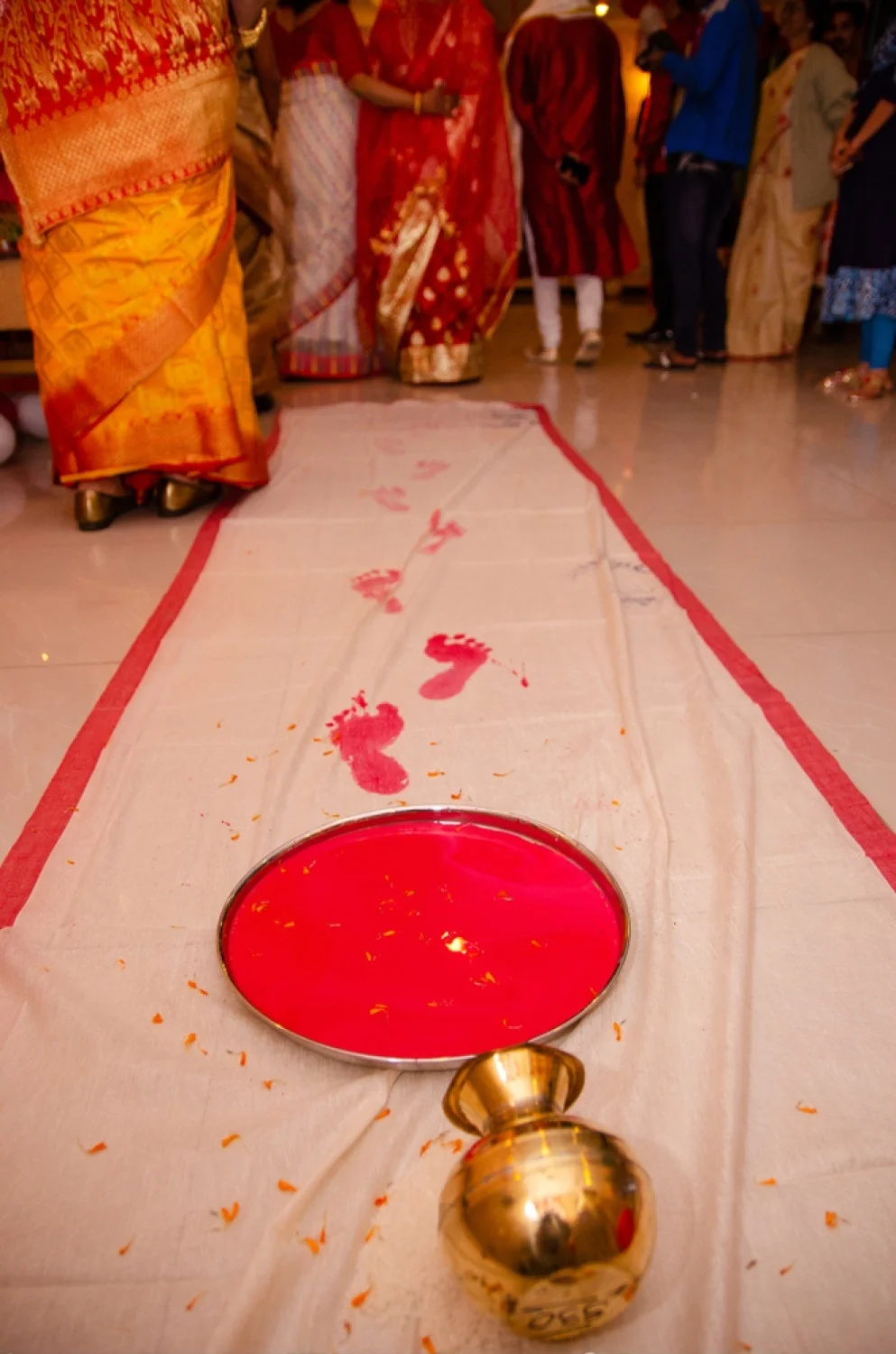
The Hidden Science of Foot Arch, Flat Feet, and Body Posture
In earlier times, marriage discussions followed a very different process.
Families would visit the bride’s home and carefully observe many aspects of the girl’s personality and abilities. Elders would ask questions such as:
Can she cook? Does she know how to sew? Can she sing?
But one request often surprises people today.
Sometimes the elders would ask the girl to walk across the room.
At first glance, this may seem strange. But this simple observation had a deeper purpose rooted in body structure and long-term health.
Many elders quietly observed how the girl walked and the structure of her feet.
This was not just tradition.
It was an observation related to foot arch, posture, and joint health.
The Science Behind Foot Arch
The human foot contains a natural arch in the sole, known as the medial longitudinal arch. This arch plays a critical role in shock absorption and weight distribution while walking or standing.
Functions of the foot arch include:
- Absorbing impact during walking and running
- Distributing body weight evenly
- Maintaining balance and stability
- Protecting knees, hips, and spine from excess stress
When the arch is strong and properly aligned, the body moves efficiently. However, when this arch becomes weak or collapses, the condition is called Flat Feet (Pes Planus).
What Happens in Flat Feet? In people with flat feet, the natural arch of the foot is reduced or absent. This causes the foot to lose its spring-like support system.
As a result:
- The inner side of the foot bears more body weight
- The leg rotates slightly inward
- Pressure on the knee joint increases
- Over time, this imbalance can start affecting other parts of the body.
- How Flat Feet Affect Knees, Hips, and Spine
- Many people do not realize that foot structure influences the entire body posture.
- When the foot arch collapses, the misalignment travels upward through the body.
This can lead to:
- Knee Problems
- Excess pressure on the inner side of the knee can accelerate wear and tear, sometimes contributing to early knee pain or osteoarthritis.
- Hip Imbalance
- Changes in leg alignment can disturb hip joint stability.
- Lower Back Stress The spine compensates for the imbalance, increasing stress on the lower back.
- Altered Walking Pattern Many people with flat feet begin walking with their feet turned outward.
- Postural Changes
Over time, subtle changes in posture may lead to:
- lower back pain
- uneven weight distribution
- fatigue while walking or standing
These issues often develop gradually over years. Why Observing Walking Was Important in Earlier Times When someone walks, the body naturally reveals its structural alignment.
Observing walking patterns can show:
- balance of the body
- alignment of legs
- foot arch structure
- distribution of body weight
Without advanced medical knowledge, our ancestors relied on careful observation and practical wisdom. Asking someone to walk allowed them to assess structural strength and physical balance.
Modern Understanding of Posture and Foot Health -
Today, medical science confirms that foot mechanics influence the entire musculoskeletal system. One commonly used solution for flat feet is orthotic arch support, which helps redistribute body weight and reduce pressure on joints.
However, when posture has already been affected, the issue often extends beyond the feet. Long-term imbalance can change overall body alignment.
In such situations, focusing only on the foot may not completely solve the problem. Importance of Correcting Whole-Body Posture.
The human body works as a connected chain from foot to spine. When one part becomes misaligned, the rest of the body adapts to compensate.
This is why many people experience:
- Chronic knee pain
- Persistent back pain
- Neck stiffness
- Postural imbalance
Correcting overall body alignment and movement patterns can help reduce stress on joints and improve functional balance.
Approaches like Body & Mind Equilibrium Posture Therapy (BMPT) focus on restoring natural body alignment using guided corrective postures and targeted exercises.
These methods aim to help the body redistribute pressure more efficiently, allowing joints to function with less strain.
Simple Home Test to Check Foot Arch
You can check your foot arch easily at home using a wet footprint test.
Steps -
Wet your feet slightly.
Step onto a dry floor or paper.
Observe the footprint.
Interpretation
✔ Normal Arch
A clear C-shaped curve appears on the inner side.
⚠ Flat Feet
Most or all of the sole appears in the footprint.
If flat feet are combined with symptoms such as knee pain, back pain, or walking imbalance, it may be useful to address the issue early.
What We Can Learn from Traditional Wisdom
Many traditions that seem unusual today often originated from practical observations of the human body.
Our ancestors may not have used medical terms like biomechanics or postural alignment, but they understood the importance of balance, structure, and movement.
Observing how someone walked was a simple way to assess overall physical stability.
When Should You Seek Posture Assessment?
You may benefit from posture evaluation if you experience:
- recurrent knee pain
- lower back pain
- flat feet or foot fatigue
- imbalance while walking
- uneven body posture
Early assessment and posture correction can help reduce long-term stress on joints.
At Healthzia, posture-based evaluation focuses on identifying how body alignment, foot structure, and movement patterns influence pain and physical balance.
Final Thought
Sometimes, the wisdom of earlier generations hides in the simplest observations.
A small detail like how a person walks can reveal a lot about body alignment, joint health, and long-term wellbeing.
Understanding these connections can help us take better care of our bodies today.